Radiant Barrier Installation in Boulder, CO
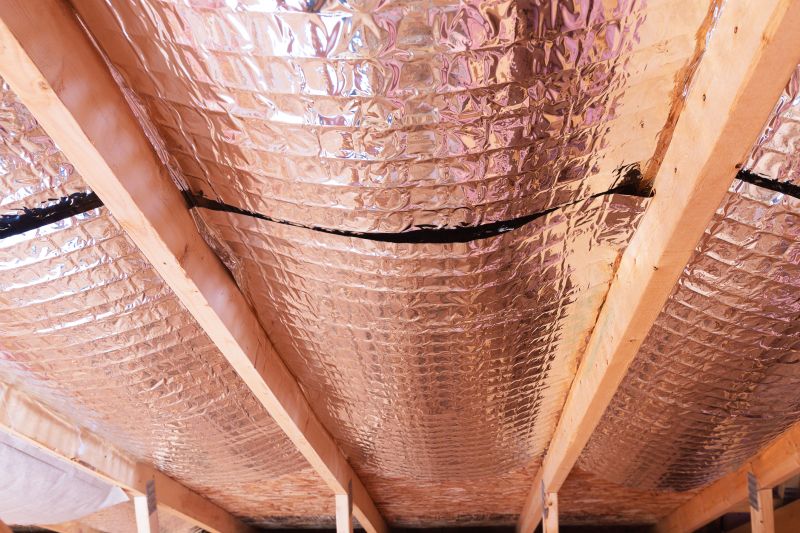
Radiant barrier installation involves adding a reflective material to the underside of roof surfaces or attic spaces to help reduce heat transfer. This service is commonly requested for residential properties looking to improve energy efficiency by minimizing heat gain during the warmer months and maintaining cooler indoor temperatures. Projects typically include attics, crawl spaces, or other areas where heat infiltration affects comfort and utility bills. Property owners often want to understand how radiant barriers work, the benefits they can provide in terms of energy savings, and whether this solution is suitable for their specific home and climate conditions.
Before requesting radiant barrier installation, homeowners should consider factors such as the current insulation levels, roof type, and attic ventilation. It’s important to evaluate whether existing insulation needs upgrading or if additional measures are recommended to maximize energy efficiency. Property owners may also want to ask about the installation process, potential disruptions, and how the reflective material will be integrated with other attic components. Clear understanding of these aspects can help ensure the project aligns with their comfort goals and long-term property performance.
Many property owners in Boulder, CO look into Radiant Barrier Installation for repairs, replacements, upgrades, and appearance-related improvements.
Benefits Of Radiant Barriers
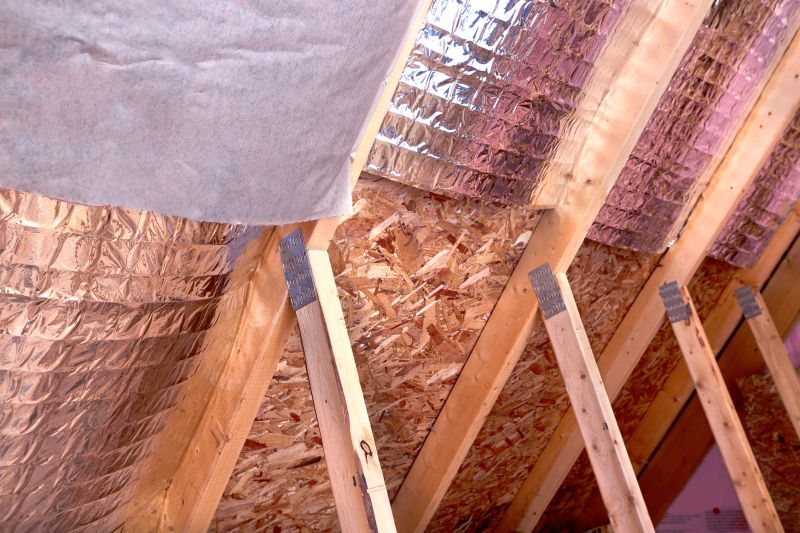
Radiant barriers help reduce cooling costs by reflecting heat away from the attic.
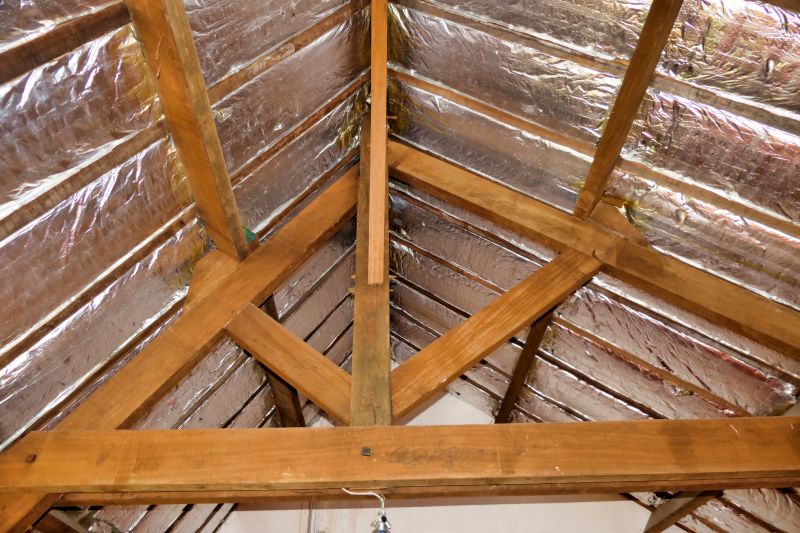
Installation Considerations
Proper installation ensures maximum effectiveness and long-term performance in boulder homes.
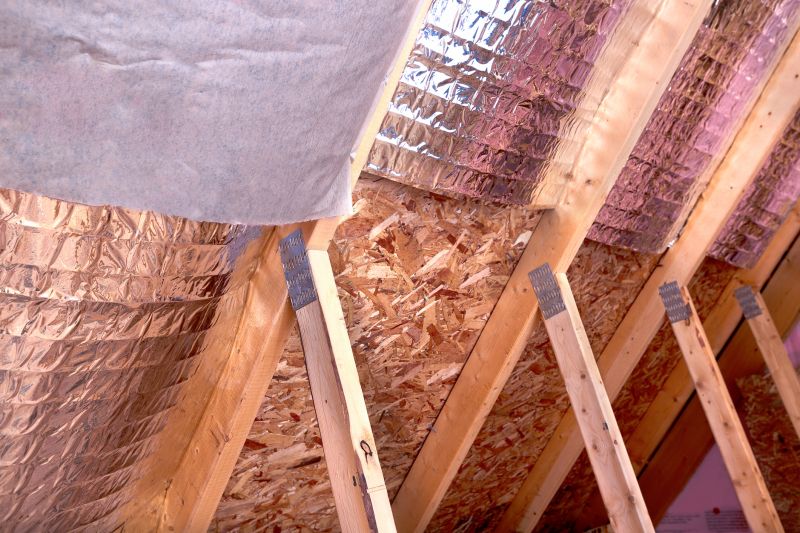
Ideal Projects
Radiant barriers are suitable for upgrading insulation in attics, ceilings, and other roof spaces.
Radiant Barrier Installation in Boulder, CO
Radiant barrier installation involves adding a reflective material to the underside of roof surfaces or attic spaces to help reduce heat transfer. This service is commonly requested for residential properties looking to improve energy efficiency by minimizing heat gain during the warmer months and maintaining cooler indoor temperatures. Projects typically include attics, crawl spaces, or other areas where heat infiltration affects comfort and utility bills. Property owners often want to understand how radiant barriers work, the benefits they can provide in terms of energy savings, and whether this solution is suitable for their specific home and climate conditions.
Before requesting radiant barrier installation, homeowners should consider factors such as the current insulation levels, roof type, and attic ventilation. It’s important to evaluate whether existing insulation needs upgrading or if additional measures are recommended to maximize energy efficiency. Property owners may also want to ask about the installation process, potential disruptions, and how the reflective material will be integrated with other attic components. Clear understanding of these aspects can help ensure the project aligns with their comfort goals and long-term property performance.
Many property owners in Boulder, CO look into Radiant Barrier Installation for repairs, replacements, upgrades, and appearance-related improvements.
Common Radiant Barrier Installation Jobs
Attic insulation projects - Radiant barrier installation helps improve attic temperature regulation.
Whole-home cooling solutions - Installing radiant barriers can reduce indoor heat gain during summer months.
Attic ventilation upgrades - Combining radiant barriers with ventilation enhances energy efficiency.
New construction insulation - Radiant barriers are often integrated into new building projects for optimal performance.
Existing home improvements - Retrofitting radiant barriers can boost comfort and lower cooling costs.
Commercial property enhancements - Radiant barriers are used in commercial spaces to improve energy management.
Radiant Barrier Installation Questions
What is a radiant barrier? A radiant barrier is a reflective material installed in attics to reduce heat transfer and improve energy efficiency during hot months.
Where can radiant barriers be installed? They are typically installed in attics, underneath roof sheathing, or on attic floors to reflect heat away from living spaces.
What are the benefits of installing a radiant barrier? Benefits include decreased cooling costs, improved indoor comfort, and reduced heat buildup in the attic area.
Is a radiant barrier suitable for all homes? It is most effective in warm climates and homes with exposed attics, but suitability depends on the specific property layout and needs.
Request Radiant Barrier Installation in Boulder, CO
Use the quote form on this page to share the basics of your project and request more information for the type of work you need.