Drywall Patching in Kansas City, KS
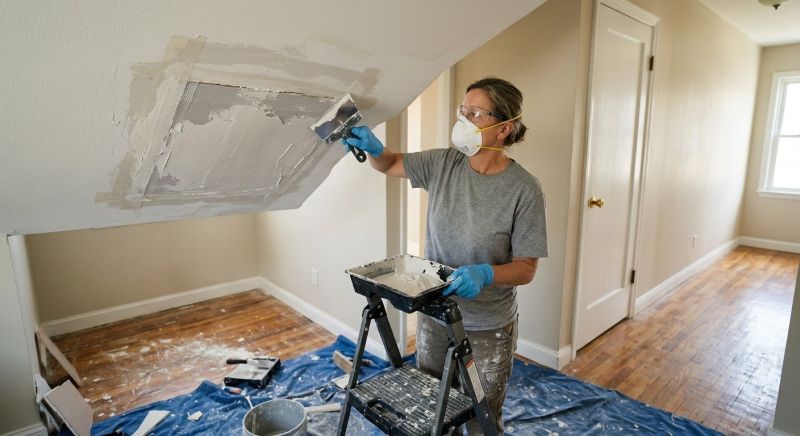
Drywall patching services focus on repairing holes, cracks, and surface imperfections in interior walls and ceilings. These repairs can address a variety of issues, including accidental damage, settling cracks, or previous repairs that need smoothing out. Property owners often request drywall patching when preparing a space for painting, updating a room, or fixing damage caused by everyday wear and tear. The process typically involves filling or covering damaged areas with joint compound or patch materials, followed by sanding and finishing to ensure a seamless surface.
Before requesting drywall patching, homeowners should consider the extent of the damage and whether it involves just surface imperfections or larger structural issues. It's helpful to understand the size and location of the damaged areas, as well as any underlying causes that may need attention to prevent future problems. Proper preparation and clear communication about the scope of the repair can help ensure the finished result blends smoothly with the existing wall or ceiling surface.
Many property owners in Kansas City, KS look into Drywall Patching for repairs, replacements, upgrades, and appearance-related improvements.
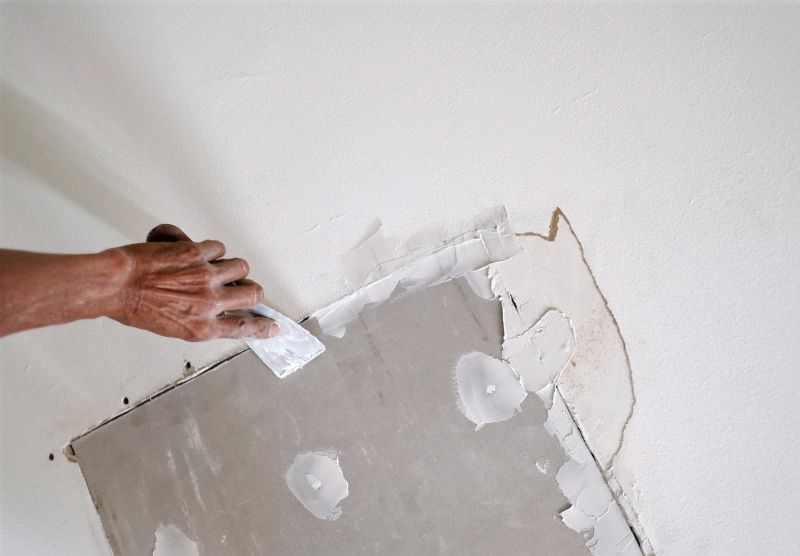
Common Drywall Repairs
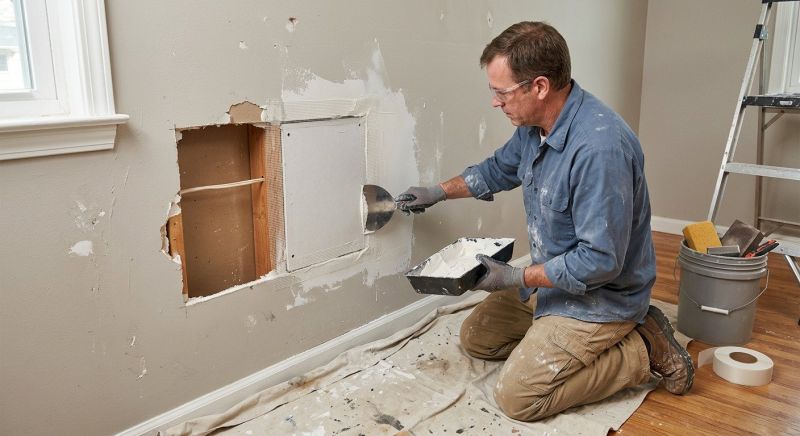
Drywall patching can fix holes, cracks, and dents caused by everyday wear or accidental impacts.
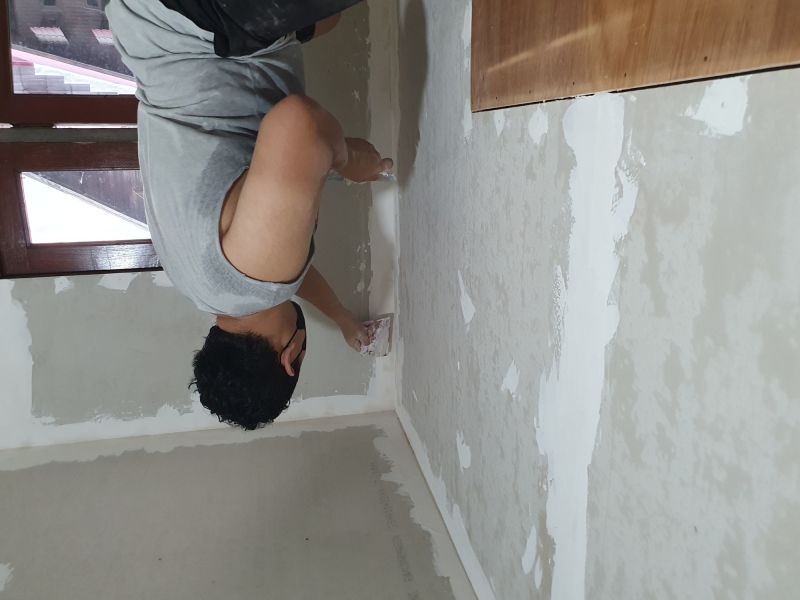
Smooth Wall Finishes
Proper patching restores a seamless surface ready for painting or wallpaper in kansas city, ks homes.
Maintenance For Property Value
Regular drywall patching helps maintain the appearance and integrity of residential and commercial spaces.
Drywall Patching in Kansas City, KS

Drywall patching services focus on repairing holes, cracks, and surface imperfections in interior walls and ceilings. These repairs can address a variety of issues, including accidental damage, settling cracks, or previous repairs that need smoothing out. Property owners often request drywall patching when preparing a space for painting, updating a room, or fixing damage caused by everyday wear and tear. The process typically involves filling or covering damaged areas with joint compound or patch materials, followed by sanding and finishing to ensure a seamless surface.
Before requesting drywall patching, homeowners should consider the extent of the damage and whether it involves just surface imperfections or larger structural issues. It's helpful to understand the size and location of the damaged areas, as well as any underlying causes that may need attention to prevent future problems. Proper preparation and clear communication about the scope of the repair can help ensure the finished result blends smoothly with the existing wall or ceiling surface.
Many property owners in Kansas City, KS look into Drywall Patching for repairs, replacements, upgrades, and appearance-related improvements.
Common Drywall Patching Jobs
Drywall Repair - fixing holes, cracks, and dents to restore wall integrity.
Water Damage Patching - repairing drywall affected by leaks or flooding.
Hole and Dent Filling - smoothing out minor damages from everyday impacts.
Crack Sealing - preventing further damage with proper crack repairs.
Texture Matching - blending patched areas seamlessly with existing wall finishes.
Surface Preparation - ensuring walls are ready for painting after repairs.
Drywall Patching Questions
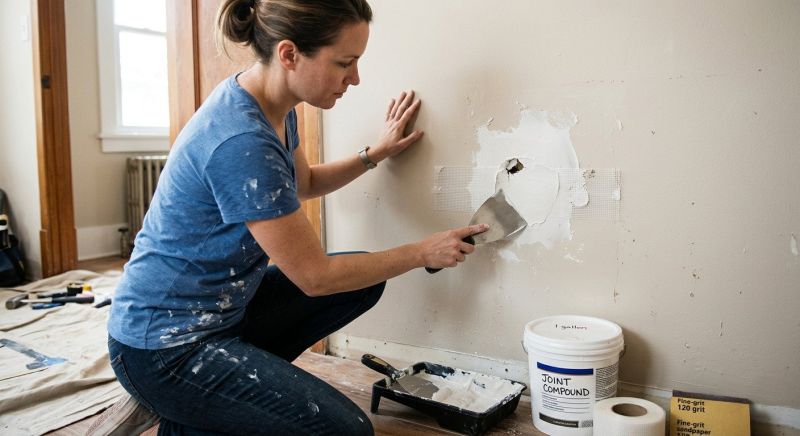
What types of drywall damage can be patched? Common issues include holes, cracks, dents, and water stains that can be repaired with patching techniques.
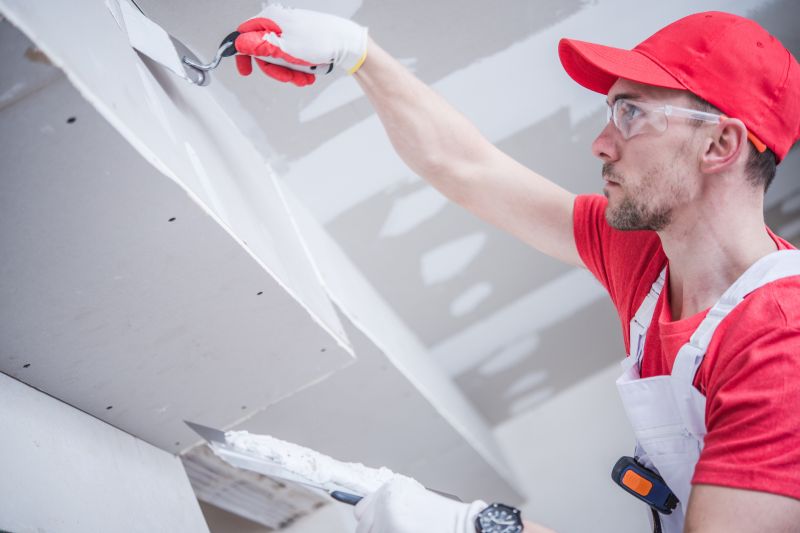
Is drywall patching suitable for large holes? Yes, larger holes can be patched effectively, often requiring additional reinforcement or drywall replacement.
How long does drywall patching typically take? The process usually involves surface preparation and drying time, with repairs often completed within a few hours.
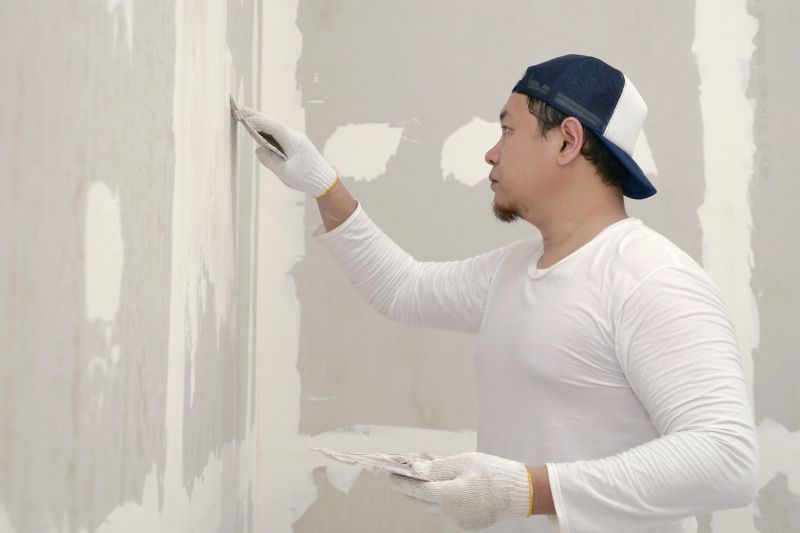
Can drywall patching be done on textured surfaces? Yes, textures can be matched or recreated after patching to blend seamlessly with the existing wall surface.
Request Drywall Patching in Kansas City, KS
Use the quote form on this page to share the basics of your project and request more information for the type of work you need.