
Leading Choices in Soundproofing Products for Better Sound Management
Explore top soundproofing options that provide reliable noise blocking and acoustic improvement for any room.
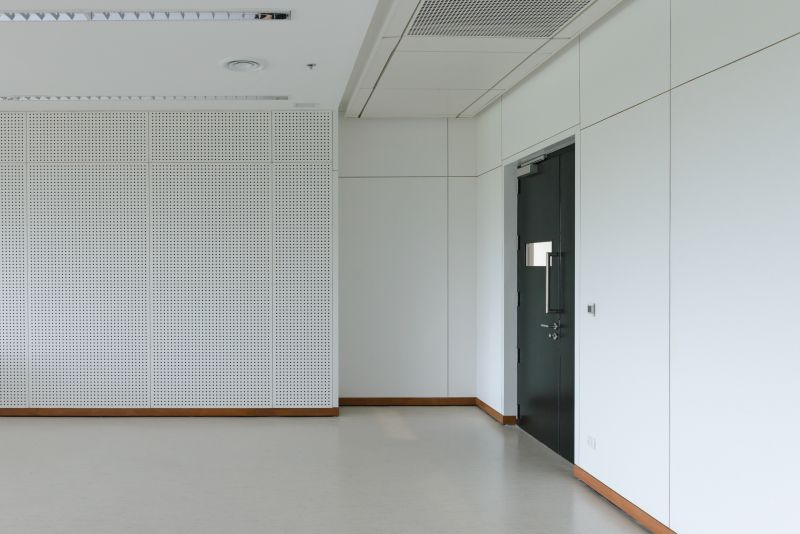 Soundproofing products are essential for creating quieter indoor environments by reducing noise transmission through walls, floors, ceilings, and doors. These products are designed to absorb, block, or dampen sound waves, helping to enhance privacy and comfort in various settings such as homes, offices, recording studios, and entertainment rooms. The selection of appropriate soundproofing solutions depends on factors like the type of noise, the area to be treated, and the level of sound insulation desired.
Types of Products For Soundproofings
Acoustic Foam Panels
Lightweight foam panels designed to absorb sound reflections and reduce echo within a room.
Mass Loaded Vinyl
Heavy, flexible material used as a sound barrier to block noise transmission through walls and floors.
Soundproof Drywall
Specially designed drywall with added mass to help block sound from passing between rooms.
Soundproof Curtains
Heavy, dense curtains that help dampen sound coming through windows and doors.
Door Sweeps
Seals installed at the bottom of doors to prevent sound leaks and improve insulation.
Acoustic Bass Traps
Specialized panels placed in corners to absorb low-frequency sounds and reduce bass echo.
Decoupling Mounts
Mounting systems that isolate walls or ceilings to minimize sound vibrations.
Soundproof Floor Underlayment
Material installed beneath flooring to reduce impact noise and airborne sound transmission.
Isolation Pads
Pads placed under equipment or furniture to dampen vibrations and reduce noise transfer.
Acoustic Sealant
Flexible sealant used to fill gaps and cracks around doors, windows, and wall penetrations.
Soundproof Window Inserts
Removable panels that fit into existing window frames to enhance sound insulation.
Soundproof Door Panels
Additional panels or inserts designed to reinforce doors and reduce noise leakage.
Vibration Damping Mats
Mats that absorb vibrations from machinery or appliances, decreasing noise transmission.
Resilient Channels
Metal channels used to decouple drywall from framing, reducing sound vibrations.
Acoustic Ceiling Tiles
Ceiling panels designed to absorb sound and improve acoustic quality within a room.
Popular Choices
Widely used for their ease of installation and effective sound absorption in various settings.
Commonly chosen for their high mass and flexibility in blocking sound transmission.
Popular for their ability to quickly improve sound insulation around windows and doorways.
Often used in renovation projects to enhance existing wall insulation and block noise.
Effective for sealing gaps at the bottom of doors, frequently selected for quick soundproofing upgrades.
Commonly installed in home studios and entertainment rooms to manage low-frequency sounds.
Popular for temporary or retrofit soundproofing solutions for residential windows.
Frequently used under appliances and machinery to reduce vibration noise.
Commonly applied around windows, doors, and wall penetrations to seal gaps effectively.
Popular in professional and DIY projects to decouple drywall and reduce vibrations.
Chosen for improving room acoustics and reducing overhead noise in commercial and residential spaces.
Effective for reducing impact noise in multi-story buildings and apartments.
Effective soundproofing often involves a combination of materials and installation techniques. Acoustic panels made of foam or mineral wool can absorb sound within a room, preventing echoes and reducing overall noise levels. Mass-loaded vinyl and soundproof drywall act as barriers to block sound from passing through walls or ceilings. Additionally, sealing gaps around doors, windows, and electrical outlets is crucial to prevent sound leaks. The right mix of these products can significantly improve acoustic comfort without extensive construction work.
When choosing soundproofing products, it is important to consider the specific needs of the space. For example, a home theater may benefit from dense acoustic panels and bass traps, while a home office might require soundproof curtains and door sweeps. The ease of installation, durability, and aesthetic appeal are also important factors. Properly selected and installed soundproofing products can make a noticeable difference in reducing unwanted noise, creating a more peaceful environment for work, rest, or recreation.
Key Buying Considerations
- Identify the primary noise source and choose products suited to block or absorb that specific sound.
- Determine the area to be soundproofed and select appropriately sized or scalable solutions.
- Consider the type of noise - airborne or impact - to select the most effective materials.
- Evaluate the ease of installation and whether professional help is needed.
- Assess the durability and lifespan of the products for long-term effectiveness.
- Check compatibility with existing walls, floors, or ceilings to ensure proper fit and performance.
- Balance between soundproofing effectiveness and aesthetic preferences for the space.
- Review product thickness and density, as these influence sound blocking capabilities.
- Consider whether temporary or permanent solutions are required for your situation.
- Look into additional sealing or insulation needed to maximize soundproofing results.
- Account for potential vibrations and choose damping or decoupling products accordingly.
- Prioritize products with good reviews and proven performance in similar environments.
- Be mindful of ventilation and airflow needs to prevent issues with moisture or mold.
- Factor in budget constraints while selecting high-quality, reliable products.
- Research product compatibility with existing construction materials and methods.
This page contains affiliate links. We may earn a commission if you purchase through these links, at no additional cost to you.